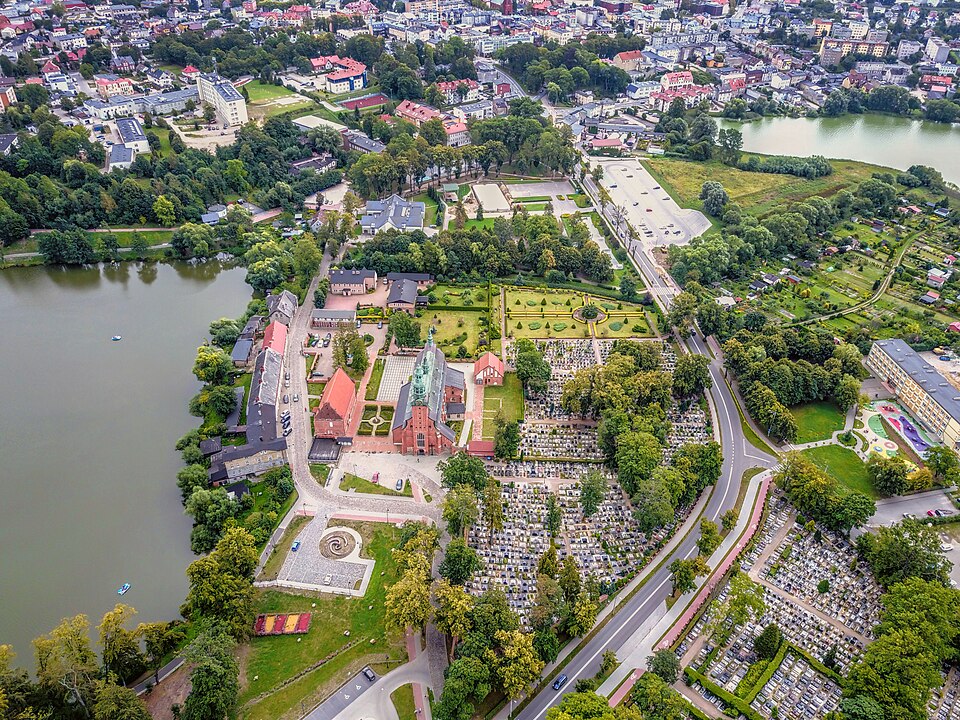
5 stages, 5 places to sleep
Open a stage to see what you pass and where to stay that night.
Planning the Kashubian Red Trail — the practical guide
The Kashubian Red Trail covers 138 km from Chwaszczyno to Olpuch in 5 stages averaging 28 km. The longest day is stage 5 (38 km, ending in Olpuch); the gentlest is stage 2 at 18 km into Chmielno. You walk it in the order written, but every stage town works as an entry or exit point, so the route sections cleanly for shorter trips.
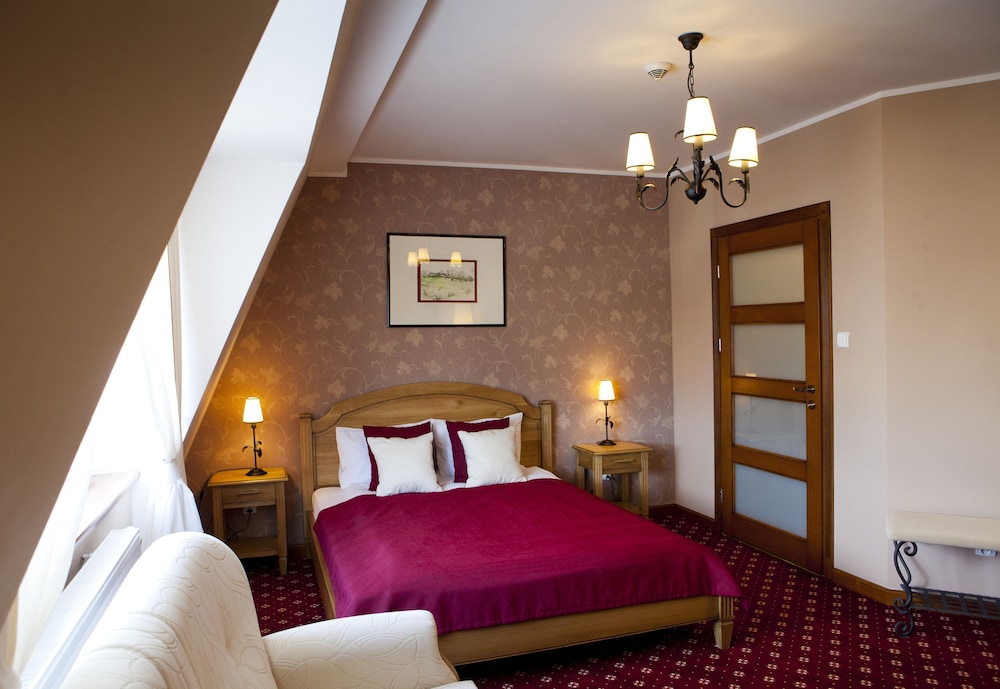
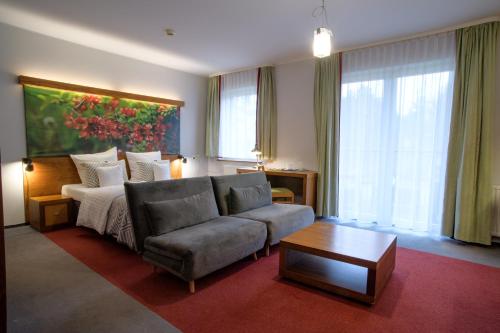
Overnights run Kartuzy, Chmielno, Kościerzyna, Wdzydze Kiszewskie, Olpuch — each bookable from the stage cards above. Book the smallest stops first: a village with a handful of guesthouses sells out weeks before a resort with fifty.
Planning & pacing
Long-distance walking in Pomerania is logistics-light by design: stages end in towns with beds, meals and shops, so you carry a daypack, not a house. The stage lengths on this trail reflect real terrain — beach kilometres walk slower than they read (soft sand above the waterline, firmer below it), while forest tracks on the moraine are quicker than their profiles suggest. Plan your longest stages for settled weather and start beach stages early, when the sand is cool and the wind usually lightest.
Waymarking follows the Polish PTTK system — painted stripes on trees, posts and walls (white-red-white for main trails, with blue, yellow, green and black variants). Coastal sections barely need it: the sea is your handrail. Inland, download the route offline; mobile coverage is good but forest shade eats batteries.
Water and food discipline is simple everywhere except the dunes: villages arrive every 10–15 km with a shop or a fish hut. The Słowiński dune plateau is the one genuine exception on the Polish coast — no shade, no water, carry three litres.
When to go
The prime walking windows are mid-May to late June and the whole of September: warm, bright, and the beach stages empty. July–August walking works but means sharing the sand with peak season and paying peak prices in the overnight towns — book each stage-end bed ahead in those months.
Shoulder and off-season walking is a genuine local tradition — Poles walk this coast in November gales for the amber and the drama. Days are short (sunset before 4pm in December), so winter stages need dawn starts, and some village guesthouses close; the spa towns and cities stay open year-round.
What to pack
Footwear decides your trip: broken-in trail shoes beat boots on sand and forest track alike, and gaiters earn their place on the dune sections. The Baltic wind is the real weather — pack a proper windproof shell over the usual layers, plus sun cream (the open beach has zero shade) and a swimsuit, because the sea after a long stage is the whole point.
Keep the pack under 8 kg and launder in guesthouse sinks; every stage town has what you forgot. Walking poles are optional on the coast, genuinely useful on the Kashubian moraine climbs.
Transport & logistics
Getting to trailheads is rail-easy: the SKM and regional trains reach most stage towns directly, and where they don't, PKS buses fill the gaps from the nearest station. This makes section-walking trivial — do three stages this year, come back for the rest, no car shuttles required.
Luggage transfer services exist informally: most guesthouses will call you a taxi to move a bag to the next town for 65–110 zł, and some hosts arrange it between themselves. Ask at booking if you want to walk truly light.
Eating along the route
The walker's food economy on this coast is close to perfect: every stage town has a shop for trail supplies, a smokehouse or fish hut for lunch, and guesthouse breakfasts built on farm eggs, dark bread and pickles that hold you to mid-afternoon. Carry a day's margin of food only on the national-park stages; everywhere else, resupply is never more than 15 km away.
Dinner is where the region rewards tired legs — fried flounder by the harbour, żurek (sour rye soup) on cold days, Kashubian goose inland, and fruit dumplings where the strawberry farms start. Vegetarians manage easily in towns (pierogi ruskie are everywhere); tell rural guesthouses a day ahead and they'll cook meat-free with enthusiasm.
Safety & local rules
This is among Europe's safest walking terrain: no altitude, no exposure, no large predators, and a town every few hours. The genuine hazards are elemental — sunstroke on shadeless beach stages, wind chill that makes 15°C feel like 8, and the Baltic itself, whose rip currents off the open coast kill more visitors than everything else combined. Swim at flagged beaches on stage-end evenings, not at random wild points mid-stage.
Ticks exist in the forest sections (check evenings, as everywhere in Central Europe), storms build fast over the sea in summer afternoons, and the dune plateau is a genuine navigation environment in fog. Emergency number 112 has English operators; trail rescue is effectively instant given how close civilisation always is.