Getting around Pomerania: trains, ferries and one jammed road
Pomerania is one of the few Polish regions you can genuinely do without a car — if you learn its three systems. The SKM commuter railway is the spine: Gdańsk–Sopot–Gdynia every few minutes, roughly 5am to midnight, cheap and impossible to park-rage at. Regional rail extends the spine: Malbork in 40 minutes, Słupsk in under two hours, Hel along its own scenic sandbar line.
The third system is water: summer 'tramwaj wodny' ferries link Sopot, Gdynia and Hel, turning transport into sightseeing. What to avoid is famous: the single road onto the Hel peninsula, which queues for hours on July weekends while the train sails past. Cars earn their keep only in the Kashubian lakes and the far west.
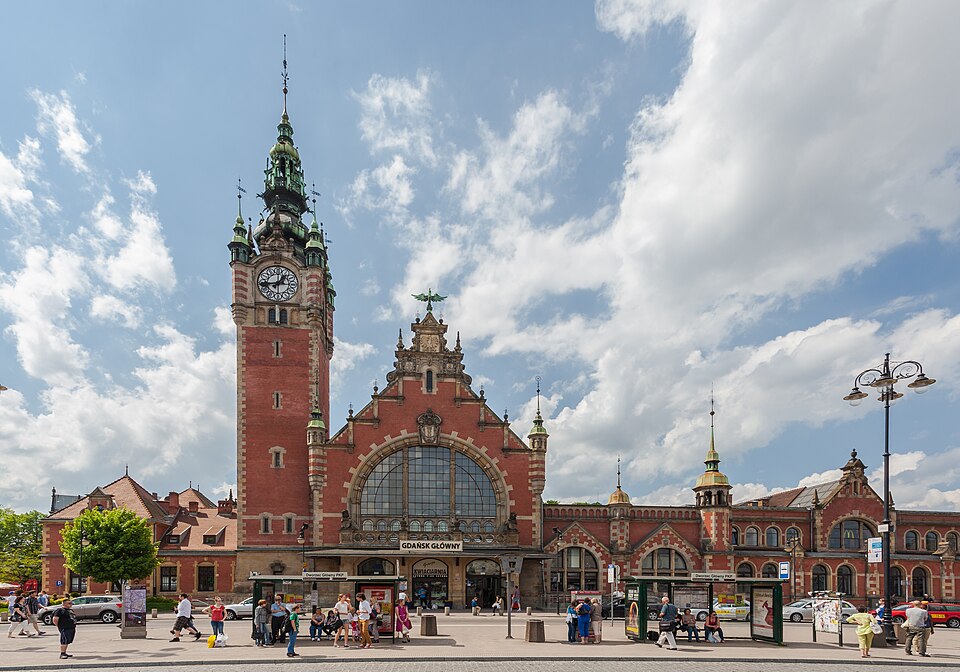
Gdańsk Główny to Sopot in 12 minutes, Gdynia in 21. Buy at machines or apps, validate once, and treat the whole Tricity as one city. Night buses cover the small hours.
The train rides the 35-km sandbar with sea glimpses both sides, stopping at every resort. In July–August it beats the road by literal hours. Bikes travel free on most services.
Seasonal fast ferries from Sopot and Gdynia to Hel — about an hour of bay crossing that doubles as the day's best view. Book morning boats; afternoons sell out.
Fast trains all day make Europe's biggest castle an effortless overnight or day trip; the station is 15 minutes' walk from the gate.
The airport line links to Wrzeszcz and Gdańsk Główny, and continues toward Kartuzy — the rare European airport with a direct train to a lake district.
Under two hours to Słupsk, then a 20-minute shuttle to Ustka's beach. Seasonal directs reach Łeba; otherwise change at Lębork.
Kashubia's deep villages, Bytów, the Vistula Spit off-season and dawn starts for the dunes: hire for those days only, and park free at agrotourism farms.
One road, three resorts, no alternatives: Saturday queues reach 3–4 hours each way. Take the train or the ferry and spend those hours on sand instead.