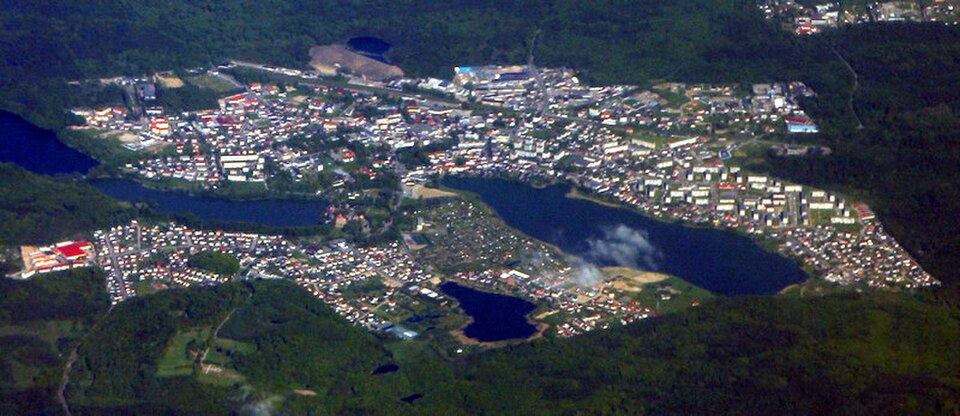
2 stages, 2 places to sleep
Open a stage to see what you pass and where to stay that night.
Planning the Kashubian Switzerland Forest & Lake Escape — the practical guide
The Kashubian Switzerland Forest & Lake Escape covers 190 km from Gdynia to Sopot in 2 stages averaging 95 km. The longest day is stage 2 (105 km, ending in Sopot); the gentlest is stage 1 at 85 km into Kartuzy. You drive it in the order written, but every stage town works as an entry or exit point, so the route sections cleanly for shorter trips.
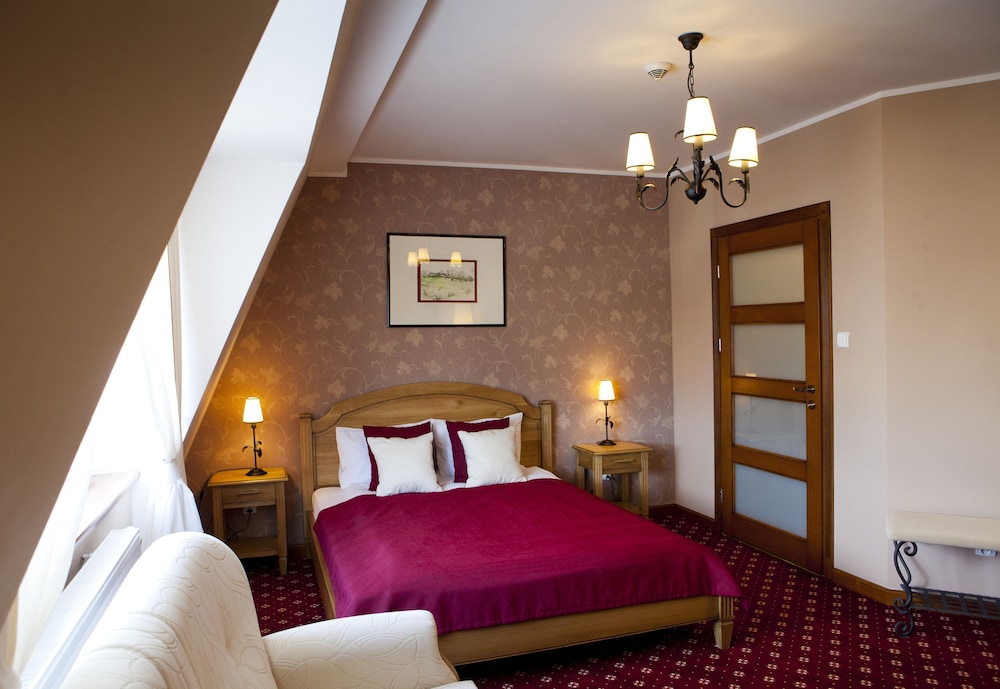
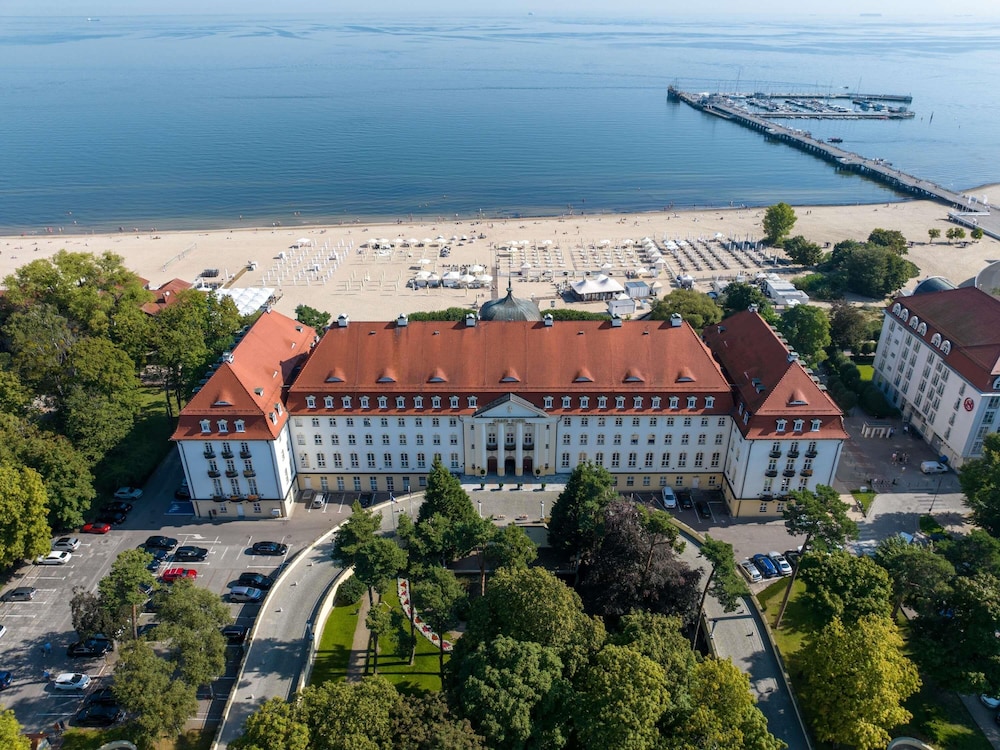
Overnights run Kartuzy, Sopot — each bookable from the stage cards above. Book the smallest stops first: a village with a handful of guesthouses sells out weeks before a resort with fifty.
Planning & pacing
Pomeranian road trips reward a simple discipline: drive the stages in the morning, sightsee in the afternoon, and be parked before dinner. Distances here are short by road-trip standards — most stages run 45–125 km — but the temptation to bolt on 'just one more' viewpoint is constant, and the region's best moments (a castle courtyard at opening time, a dune ridge before the coaches) all happen early. Fuel and charging are plentiful along the DK6 and S7 corridors and thinner in the lake belt; fill up before turning inland.
Polish coastal roads are good and quiet outside July and August. The two famous exceptions are the single road onto the Hel peninsula (queues of 3–4 hours on summer weekends — arrive at dawn or take the train for that leg) and beach-town centres on August Saturdays, when changeover traffic peaks. Paid parking zones operate in every resort core; the workaround is choosing hotels with their own parking, which most guesthouses outside the biggest towns offer free.
Every overnight town on this route has bookable beds through the buttons above — book the smallest towns first, since a village with eight guesthouses sells out long before a city with a hundred hotels.
When to go
May, June and September are the driving months: long light, open attractions, empty roads and hotel rates 30–40% below the August peak. July and August bring the warmest sea and every festival at once — glorious, but book each overnight weeks ahead and expect the coast roads to crawl on weekends.
The route works in winter too, differently: spa towns stay open, castle interiors are near-empty, and storm-watching on the Baltic has its own following. Some seasonal attractions (dune carts, water trams, narrow-gauge railways) pause from October to April, so check openings for anything that anchors a day.
What to pack
Pack for four seasons in one boot: the Baltic can serve 17°C and drizzle in July or 24°C in late September. A windproof layer matters more than an umbrella on the coast. Bring swimwear regardless of month if your route touches a spa town — the brine baths run all year.
Cash is nearly obsolete (cards work at fish shacks and car parks alike), but coins help at older parking meters and village toilets. An EU parking disc, a reflective vest and a warning triangle are legally required kit in Poland; rental cars include them.
Transport & logistics
Car hire is easiest at Gdańsk airport, with one-way drops possible to Szczecin or Warsaw for cross-country itineraries. Polish motorways are partly tolled for cars (the A1 north–south spine); the coastal DK6/S6 is free. Speed limits: 50 in towns, 90 outside, 120 on expressways — enforcement is camera-based and unforgiving.
If a stage ends somewhere rail-connected (Gdańsk, Malbork, Słupsk), consider parking the car for a day and doing side trips by train — city parking is the only genuinely annoying part of driving this region.
Eating along the route
Eating well on a Pomeranian road trip is a matter of trusting the harbours and the villages over the promenades. Every port on the coast keeps a wędzarnia — an oak-fired smokehouse — where halibut, sprats and eel come warm off the racks for a few euros; the correct lunch is eaten on a sea wall with bread and a pickle. Inland, look for the karczma (roadside tavern): potato dumplings, roast goose in Kashubia, forest mushrooms in autumn, and portions calibrated for field workers.
Cities add the upper register — Gdańsk's waterfront has a genuine restaurant boom and the region's first Michelin recognition — while the bar mleczny (milk bar) survives everywhere as the 20 zł canteen lunch of pierogi and kompot. Book Friday and Saturday dinner tables in resort towns during July and August; every other meal is walk-in.
Safety & local rules
Pomerania is a low-crime, high-order region — the practical risks are traffic-related, not personal. Watch for cyclists on the roadside in beach country (the law requires 1 m clearance when overtaking), unlit farm vehicles at dusk inland, and zero-tolerance drink-driving enforcement: the Polish limit is 0.02%, effectively nothing, and checkpoints are routine on summer weekends.
Emergency number 112 works everywhere with English-speaking operators. Pharmacies (apteka) are plentiful and pharmacists commonly speak English; EU EHIC/GHIC cards cover state healthcare. Beach flags are enforced: red means no swimming, and the Baltic's rip currents off the open coast deserve the respect the locals give them.